
Whoa! This felt like the missing piece for a while. Okay—quick take: the web version of Phantom makes staking on Solana both more accessible and a smidge riskier, depending on how you use it. My instinct said this would be a convenience play, but actually, there’s a deeper trade-off between UX and security that not everyone talks about.
First impressions: the interface is clean and fast. Seriously? Yep. You can access your keys from a browser tab, connect to dApps, and stake without juggling phones or browser extensions. That convenience changes behavior—people stake more often, experiment with validators, and move funds faster. But slower, careful thinking says: web access means you need to be extra cautious about phishing, session persistence, and site permissions. Initially I thought it would be a simple parity with the extension, but then I realized session handling and web security models introduce new attack surfaces.
Here’s what bugs me about most write-ups: they treat «web wallets» like a single thing. They’re not. There are differences in how the wallet manages keys, how it isolates sessions, and whether it supports hardware wallets. So let’s break it down in plain US terms—no fluff, just practical guidance and a few insider tips from building with Solana and using Phantom over the past few years.
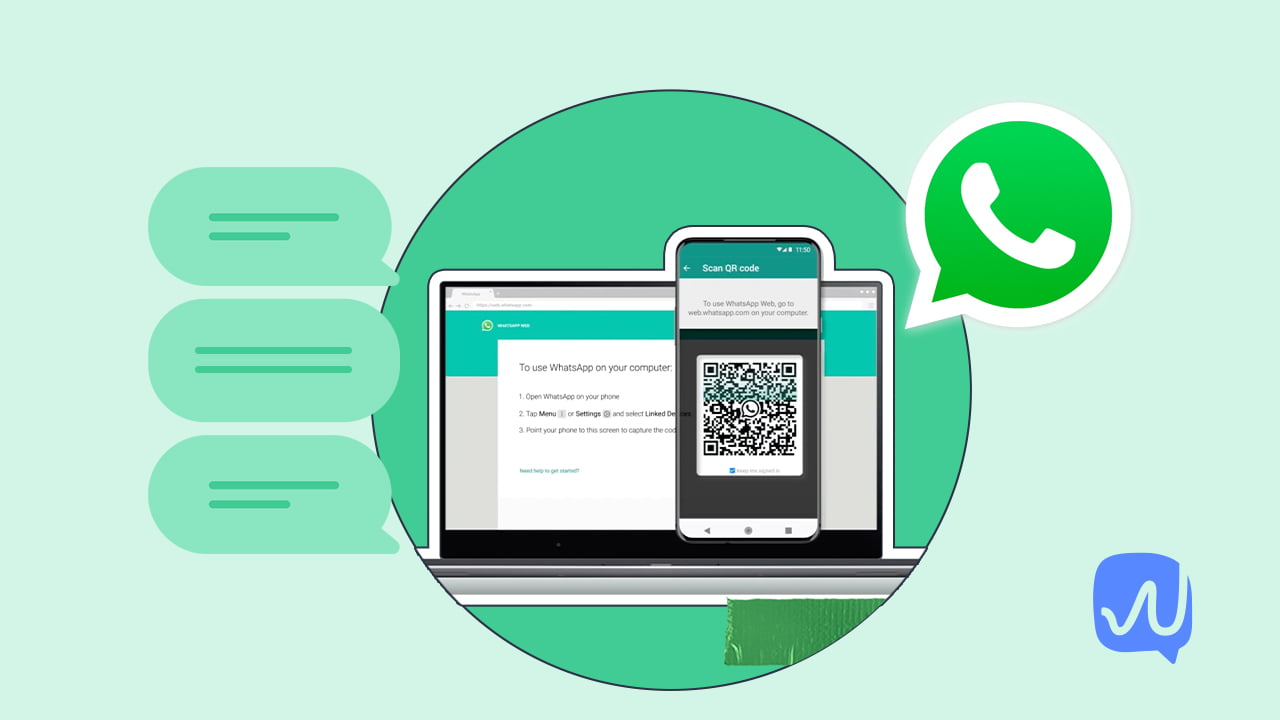
What the web version of phantom wallet actually is
The web version is a browser-based entry point to Phantom’s functionality—accounts, signing transactions, token swaps, and staking. Unlike a native extension or mobile app, it runs in a web page context, often as a hosted app. That means you can open it on any device with a modern browser and get going within seconds. For many folks, that’s a game-changer—no extension install, no app store, just open a URL and connect.
But there’s nuance. The web interface can still use local key storage (encrypted in localStorage or IndexedDB), or prompt hardware wallet connections. Some implementations offer interaction via WalletConnect-like bridges. The important thing: understand which method your session uses before moving large amounts of SOL.
Why staking via a web wallet is attractive
Low friction. That’s the headline. You can delegate tokens in a handful of clicks. No need to sync a desktop client. Want to try a new validator? Easy. Want to split stake across multiple validators? Easy. For new users, this breaks down barriers to participation and helps decentralize stake across the network.
Another plus: the UI often surfaces validator metrics—commission, active stake, delinquency history, and identity links—making it easier to choose responsibly. And if the web app supports hardware wallets, you get a decent middle ground: convenience plus strong key security.
Risks you should watch for
Here’s the thing. Convenience comes with caveats. Web pages are more exposed to phishing, man-in-the-middle tricks, and tab/session attack vectors. If your keys live in browser storage, malware on that device or a malicious extension can access them. That’s not theoretical—it’s real.
Protective habits matter. Use a dedicated browser profile for crypto. Disable unnecessary extensions. Log out when you’re done. And whenever possible, pair the web session with a hardware wallet for signing critical transactions. I’m biased toward hardware keys—call me old-school—but they reduce risk dramatically.
Also: validator selection matters. Even if your web wallet is secure, delegating to a poorly run validator can reduce rewards or expose you to downtime. Look beyond commission; check uptime, stake concentration, and real-world identity (do they have a website, GitHub, or clear operator details?).
How to stake SOL using the web Phantom wallet (practical steps)
Check this out—step-by-step, simple and safe:
1. Open the web wallet and create or import your account. If you import, use your seed phrase only on secure devices. Seriously, don’t paste it anywhere online.
2. Fund the account. Send SOL from an exchange or another wallet. Wait for confirmations.
3. Navigate to the staking or «Stake SOL» section. The UI will typically list active validators and key stats.
4. Pick a validator. Look for low downtime and reasonable commission. Consider splitting stake across two or three validators to diversify.
5. Choose the amount to delegate and confirm. If you have a hardware wallet attached, confirm the signature on the device.
6. Monitor the stake. Rewards accrue each epoch and compound when you add them or re-delegate.
Note: Deactivation and withdrawal happen across epochs. On Solana, stake activation/deactivation is tied to epoch boundaries, so unlocking funds can take a couple epochs (often a few days). Plan accordingly—if you need liquidity quickly, hold back some SOL.
Validator selection—what actually matters
Commission is just one metric. There’s a sweet spot: validators charging absurdly low fees often don’t invest in reliability. Extremely high fees bleed rewards. Look at uptime, rank, stake age, and decentralization signals. Check whether a validator is concentrated (holding very large stake), since moving large delegated amounts can impact the network and your returns.
Another practical tip: check community vetting. Validators who publish slashing-avoidance strategies, run multiple nodes, and have transparent operations are generally safer bets. If they integrate with well-known devs or projects, that’s a plus—not a guarantee, but a positive signal.
Security checklist for web wallet staking
• Use a hardware wallet for high-value accounts. Very very important.
• Verify the URL every time you open the web wallet—bookmark it.
• Use a dedicated browser profile (no extensions).
• Enable whatever session timeouts and logout features the web app offers.
• Monitor validator performance. If downtime spikes, consider re-delegating.
• Keep your seed phrase offline in a secure place.
Oh, and by the way… if something feels off when you sign a transaction—like a weird destination or a strange fee—stop. My gut has saved me more than once. Pause, check, and if needed, re-initiate the transaction from scratch.
When to prefer the web version vs extension or mobile
Use the web version when you want quick access from multiple devices or when an extension isn’t available. It’s also handy for classrooms, meetups, and demos. Use extensions when you want tighter browser integration and fewer redirects. Use mobile for on-the-go actions and push notifications.
For large stakes, pair the web UI with a hardware wallet or default to an offline, air-gapped signing flow. On one hand, the web is super convenient, though actually, for long-term cold storage, nothing beats hardware + offline keys.
My honest take — trade-offs and recommendations
I’ll be honest: the web version is a net positive for mainstream adoption. It lowers the barrier to entry, which is crucial for a healthy Solana ecosystem. But it amplifies user error risk—phishing and careless key handling will bite people who rush.
So here’s my practical recommendation: use the web version for experimentation, small delegations, and convenience tasks. For significant holdings or long-term staking, use hardware-backed sessions or handle delegation through a secure, audited flow. Keep some SOL liquid for quick needs, and avoid the «all in» mentality—diversify validators and devices.
FAQ
Can I use a hardware wallet with the web Phantom wallet?
Yes. Many web wallets support hardware devices for transaction signing. Connect your Ledger or supported device before you delegate. That way your keys never leave the device.
How long does it take to unstake on Solana?
Unstaking follows epoch boundaries. That typically means a couple epochs—often a few days—before funds are fully withdrawable. It’s variable, so plan around epochs.
Are rewards immediate?
Rewards are distributed per epoch and compound when you re-delegate them or keep them delegated. They’re not instant, but they accrue regularly based on validator performance and epoch timing.
How do I choose a safe validator?
Look at uptime, commission, stake size, operational transparency, and community reputation. Diversify across validators to reduce the risk of downtime or misbehavior.
Okay—so check this out: if you want to try the web experience, start small, use hardware signing if possible, and bookmark the official site. Curious folks can begin with the phantom wallet web app and test a tiny delegation first. I’m not 100% sure everything will be perfect for you, but this approach keeps the upside while controlling the downside.